
“Safe Default” vs. Reliability Proven in the Real World
Data center CTOs face mounting pressure to expand capacity, modernize power architectures, and meet sustainability mandates—all while navigating long OEM lead times and capital constraints. As modular energy systems become more standardized and telemetry-rich, rebuilt and repackaged equipment has emerged as a credible alternative to new OEM hardware. The strategic question is no longer whether refurbished systems are “good enough,” but where they outperform and how they reshape the economics and risk profile of data center power infrastructure.
Strategic Considerations
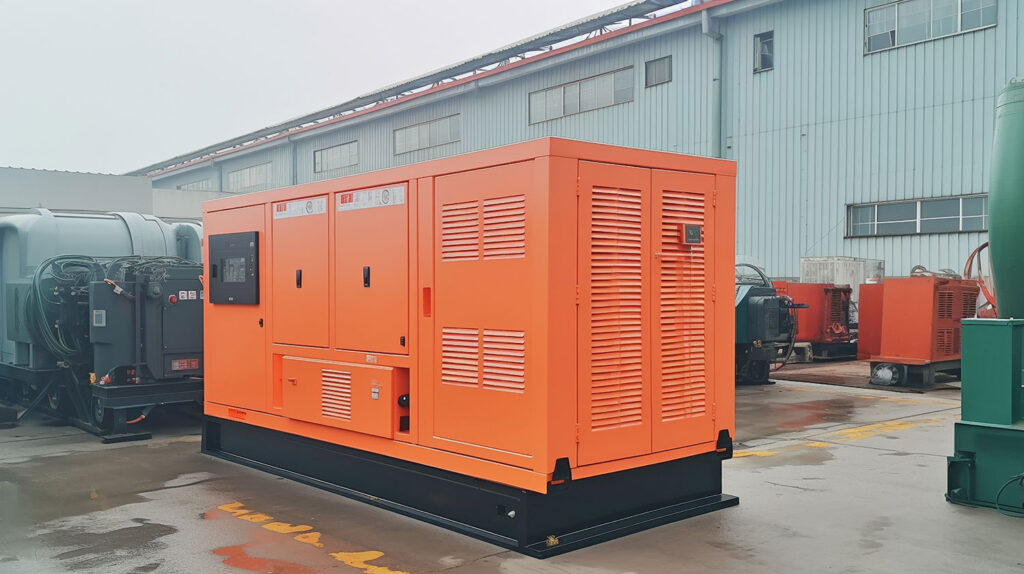
Certified rebuilt modular energy systems—such as generators, UPS modules, switchgear, and integrated power skids—offer a major advantage in deployment velocity. While new OEM equipment often requires at least 36-48 months of lead time, rebuilt systems can be sourced, tested, and deployed within weeks. For CTOs managing unpredictable demand curves, rapid expansions, or edge deployments, this speed becomes a strategic differentiator.
Sustainability is another driver. Rebuilt systems reduce embodied carbon by 70–90%, aligning with corporate ESG commitments and procurement scoring frameworks increasingly used by hyperscalers. Leading vendors provide full documentation, factory-grade testing, integration engineering, warranties, and telemetry upgrades—addressing historical concerns about reliability and supportability.
Technical Evaluation
Modern rebuild processes go far beyond cosmetic refreshes. High-quality repackagers perform full teardowns, replace wear components, modernize control systems, and conduct load bank testing to OEM standards. The result is equipment that performs at or near OEM specifications, particularly in standby or N+1/N+2 architectures where mechanical platforms have long proven reliability.
Telemetry is often a strength of refurbished systems. Because refurbishers retrofit modern PLCs, SCADA interfaces, secure protocols, and cloud-ready gateways, refurbished units can outperform older OEM units still running legacy controls. This enables predictive maintenance, improved cybersecurity, and tighter integration with BMS/EPMS systems.
Integration complexity is comparable between refurbished and new OEM equipment. Refurbished systems often come with pre-built integration templates and commissioning scripts tailored to common data center architectures, reducing friction during deployment.
Financial Evaluation
The financial case for rebuilt systems is compelling. CapEx is typically 30–60% lower than new OEM equipment, enabling organizations to increase redundancy (e.g., N+1 to N+2) or accelerate expansion without expanding budgets. Faster deployment also accelerates revenue realization for colocation and cloud operators.
OpEx benefits include predictable maintenance due to component refresh cycles, shorter depreciation schedules, and improved telemetry that reduces unplanned downtime. While new OEM equipment may offer longer theoretical lifespans, most data centers reconfigure or refresh power systems within 7–12 years—well within the useful life of a properly rebuilt and repackaged asset.
Risk adjusted cost of downtime remains a critical factor. With full documentation, modernized controls, and strong vendor support, refurbished systems can meet or exceed reliability requirements for Tier II–III facilities and many Tier IV standby applications.
Competitive Comparison Summary
| Dimension | Refurbished Modular Systems | New OEM Equipment |
| CapEx | 30–60% lower | Highest cost |
| Lead Time | Weeks to months | 9–18 months |
| Reliability | NearOEM when refurbished to spec | Highest baseline |
| Telemetry | Often upgraded and modernized | Latest OEM-native |
| Integration | High, with flexible retrofits | High, but may require custom work |
| Sustainability | Major embodied carbon reduction | High embodied carbon |
| Support | Strong if vendor is Tiergrade | Strong, OEM-backed |
| Best Fit | Retrofits, expansions, edge, costsensitive builds | Greenfield, hyperscale standardization |
Conclusion
Refurbished modular energy systems have evolved into a strategic tool for CTOs balancing uptime, growth, sustainability, and capital discipline. While new OEM equipment remains the right choice for certain standardized or cutting edge deployments, the competitive gap has narrowed dramatically. For many architectures, refurbished systems deliver faster deployment, lower capital intensity, modern telemetry, and strong reliability—making them a serious contender in every power infrastructure decision.