The global power generation industry is experiencing one of its strongest demand cycles in decades, with major OEMs reporting exceptional growth across their power generation segments. According to the market research source Power Gen Pages, Caterpillar posted a 44% year-over-year sales increase in Q4 2025, Cummins reported a 14% increase in the same period, and Wärtsilä Energy saw a 31% rise in order intake for 2025, including a 69% jump in MW-based orders. This surge is not a temporary spike — it reflects structural shifts in electricity demand, infrastructure investment, and the accelerating buildout of digital and industrial capacity.
The Most Powerful Driver
The rapid expansion of AI-driven data centers. Hyperscale and colocation operators are racing to add capacity, pushing grid demand to levels unseen in twenty years. With utilities struggling to keep pace, data centers increasingly rely on onsite generation and backup systems to maintain uptime and support phased buildouts. OEMs are benefiting directly from this trend, as operators seek high capacity diesel and gas systems to support both new construction and brownfield expansions.
Industrial electrification, reshoring of manufacturing, and broader commercial load growth are reinforcing this demand. Across sectors, operators are investing in resilience, redundancy, and modernization — all of which require dependable power infrastructure. OEMs, however, are facing their own constraints: long production cycles, supply chain bottlenecks, and rising input costs. These pressures extend lead times and elevate prices, creating a widening gap between demand and OEM delivery capacity.
The Widening Power Gap
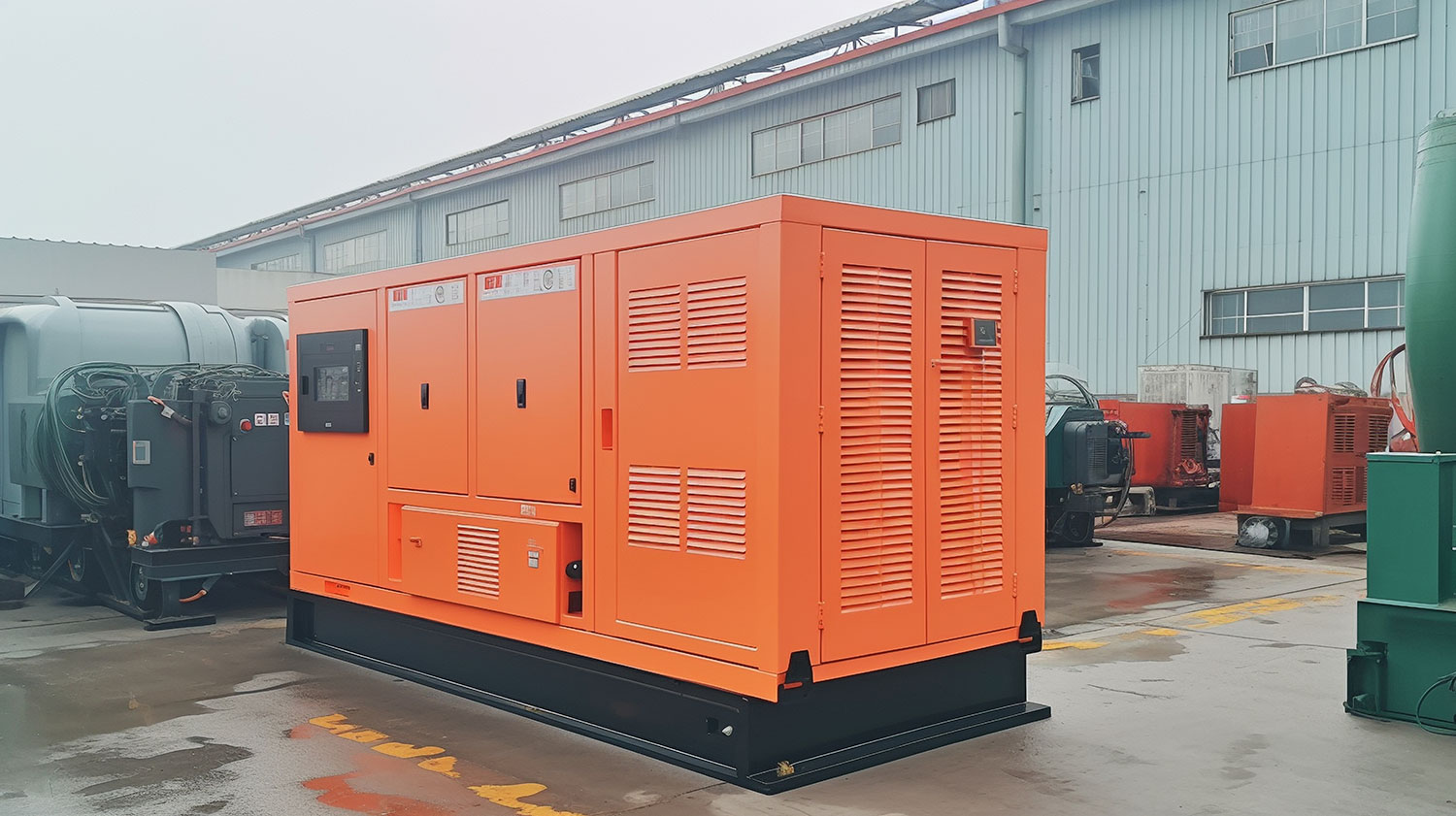
Precisely where the decommissioning and repackaging segment gains strategic advantage. As OEM lead times stretch to 40–70 weeks, repackaged modular power systems offer a compelling alternative: short-term availability, 30–50% lower capital cost, and proven reliability enhanced through modern controls and standardized QA/QC processes. For data center operators, EPCs, and asset heavy environments, repackaged units provide the fastest path to power during expansions, utility delays, or phased deployments.
Decommissioning Accelerates
Because the OEM boom also increases the volume of assets entering the decommissioning pipeline. As operators upgrade to high erefficiency or lower emission systems, more equipment becomes available for repackaging, strengthening inventory supply and enabling standardized modular offerings. In effect, OEM growth fuels the repackaged ecosystem, creating a circular energy loop that benefits both cost constrained buyers and sustainability-focused organizations.
In a market defined by speed, scalability, and capital discipline, repackaged modular power systems are emerging, not as a fallback, but as a strategic complement to OEM supply — and increasingly, the preferred solution for time critical deployments.